YANKARI GAME RESERVE: THE JEWEL OF TOURISM IN NORTH-EAST NIGERIA
By Maryamu Bala
Deep in the savannah landscape of Bauchi State lies one of Nigeria’s most important natural treasures: Yankari Game Reserve, a renowned wildlife sanctuary and ecotourism destination with enormous potential to attract visitors, create jobs and boost the state’s economy.
Established in 1956 and opened to the public in the 1960s, Yankari has for decades remained one of Nigeria’s foremost wildlife and ecotourism destinations. Located in Mainamaji, Alkaleri Local Government Area, about 110 kilometres from Bauchi metropolis, the reserve covers about 2,244 square kilometres and supports a rich diversity of wildlife and natural features.
Yankari is renowned for its diverse wildlife, scenic landscapes, historical sites and, most famously, the Wikki Warm Spring. Its wildlife includes African elephants, buffaloes, hippopotamuses, baboons, antelopes and other species.
The Wildlife Conservation Society has described Yankari as home to Nigeria’s largest surviving elephant population and an important population of the endangered West African lion, underscoring its significance for wildlife conservation.
Nature, Recreation and History Combined
Beyond wildlife, Yankari offers a combination of nature, recreation and history. The Wikki Warm Spring remains its biggest attraction, drawing visitors with its clear, naturally flowing water and warm temperature. Surrounded by lush vegetation and rock formations, the spring offers a refreshing natural experience.
Other attractions include the Marshall Caves, fish ponds, a museum and various natural and cultural features that enhance the reserve’s tourism potential.
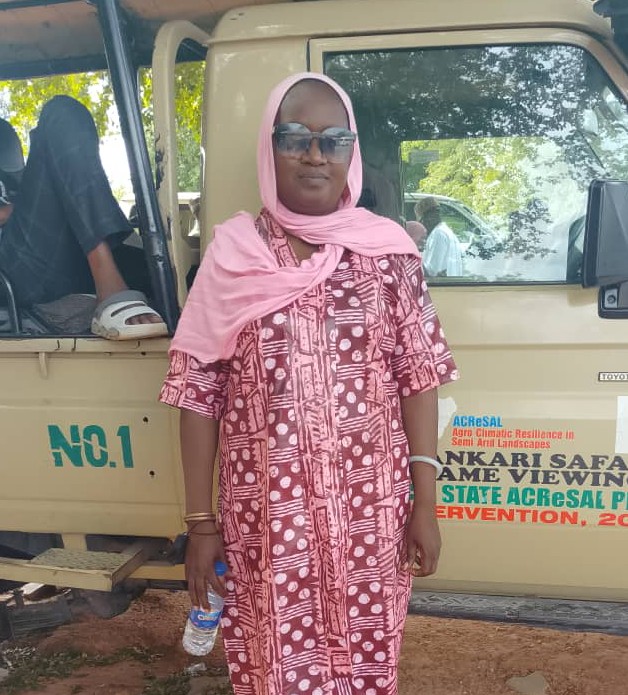
Visitors can explore the reserve through guided wildlife tours using park vehicles or private vehicles, offering opportunities to observe animals in their natural habitat. Accommodation, restaurant services and other recreational facilities further enhance the visitor experience.
Yankari’s appeal extends beyond wildlife enthusiasts. Families, students, researchers, nature lovers, and domestic and international tourists can all find opportunities for recreation, learning and adventure.
The reserve is also an important conservation asset. Protecting its wildlife requires sustained efforts to prevent poaching, preserve natural habitats and promote responsible tourism. Involving neighbouring communities in conservation activities can further strengthen local ownership and safeguard its biodiversity.
Tourism as Economic Opportunity
As one of Bauchi State’s major tourism assets, Yankari offers opportunities beyond sightseeing. It has the potential to serve as a major driver of employment, investment and internally generated revenue (IGR).
The tourism industry supports a wide range of livelihoods, including tour guides, drivers, hotel and restaurant workers, conservation officers, artisans, photographers, food vendors and other service providers.
Revenue can also be generated through entrance fees, accommodation, safari services, concessions and other visitor-related activities.
However, realising this potential requires sustained investment in infrastructure, effective management, competitive tourism packages and strategic promotion to attract more visitors.
While local patronage remains important, attracting more international tourists and encouraging longer stays could significantly increase economic benefits. Making tourism accessible to different income groups, while maintaining resources for conservation and facility maintenance, would also broaden its appeal.
Modernising Yankari for Greater Impact
To improve visitor experience, the Bauchi State Government has invested in upgrading facilities at the reserve, including the provision of a 500KVA solar power plant and the renovation of accommodation infrastructure.
These interventions are intended to improve visitor comfort, strengthen essential services and position Yankari as a more attractive destination for tourists and investors.
Such investments, alongside further improvements in hospitality services, road access, visitor information and wildlife-viewing facilities, could encourage repeat visits and stimulate additional economic activity.
The modernisation of Yankari, supported by the state government, the Agro-Climatic Resilience in Semi-Arid Landscapes (ACReSAL) project, the Wildlife Conservation Society and private investors, presents an opportunity to strengthen its conservation and tourism functions.
Partnerships among government, conservation organisations, local communities and private investors will be essential to ensuring tourism development does not undermine the natural environment that makes Yankari unique.
Bauchi’s Wider Tourism Potential
While Yankari remains the state’s flagship wildlife destination, Bauchi possesses other attractions that could complement its tourism offerings.
These include Sumu Wildlife Park, Lame-Bura Game Reserve, Gubi Dam, Maladumba Lake, Dass Sacred Rocks, Geji rock paintings and other historical and recreational sites.
Developing connections between these destinations could encourage tourists to spend more time in Bauchi, explore different parts of the state and patronise local businesses.
The state’s distinctive savannah landscapes, natural formations, cultural heritage and wildlife resources provide a foundation for tourism packages that appeal to a broad range of visitors.
Achieving this, however, will require coordinated planning, adequate infrastructure, effective marketing, environmental protection and sustained attention to visitor safety.
Preserving a Natural Treasure
Yankari Game Reserve represents more than a place to see wildlife or enjoy the warm waters of a natural spring. It is an important ecological asset, a repository of natural heritage and a potential engine of economic growth for Bauchi State.
The investments already made provide an opportunity to build a more competitive tourism industry. Yet, infrastructure alone will not guarantee success. Effective conservation, professional management, affordable and transparent visitor services, strategic publicity and stronger private-sector participation must accompany modernisation.
With sustained commitment from government, conservation partners, investors and surrounding communities, Yankari can strengthen its position as a leading wildlife and ecotourism destination in Nigeria.
Ultimately, protecting its natural resources while making the reserve more accessible and attractive will be critical to ensuring Yankari continues to generate economic opportunities, support conservation and showcase Bauchi’s tourism potential to Nigeria and the world.