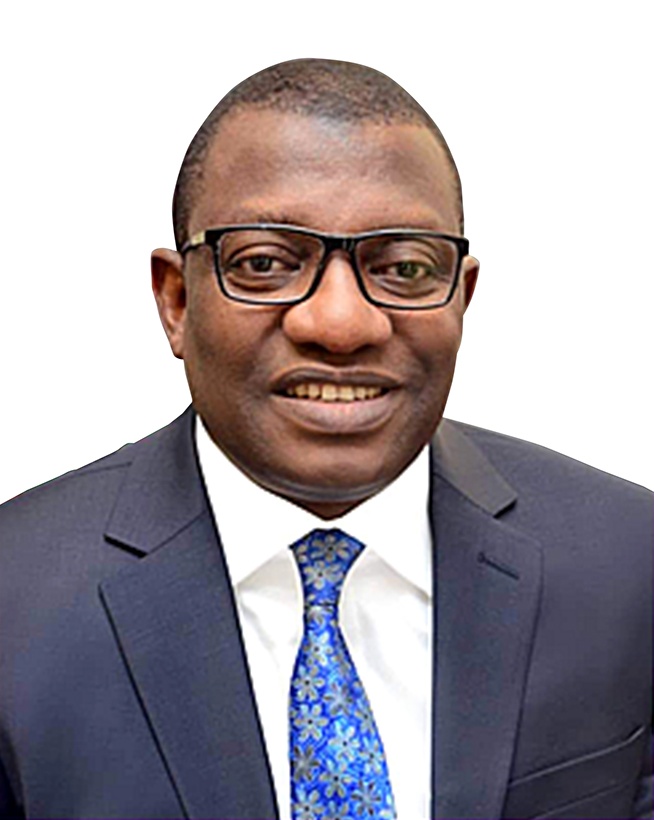
By Adamu Imam, Bauchi
As the world commemorates World Rural Development Day, a chieftain of the All Progressives Congress (APC) and Bauchi-based philanthropist, Dr. Bala Maijama’a Wunti, has called on political leaders at all levels to fundamentally rethink Nigeria’s development model by placing rural communities at the centre of economic planning through strategic investments capable of reversing the growing trend of rural-urban migration.
This was disclosed in a press release by Abubakar Al-Sadique, Chief Communication Officer, Bala Wunti Support Organisation and made available to journalists on Tuesday.
Dr. Wunti said Nigeria’s villages should no longer be viewed merely as centres of agricultural production but as engines of industrial growth, innovation, entrepreneurship and human capital development.
According to him, deliberate investments in agriculture, agro-allied industries, rural manufacturing, digital infrastructure, quality education, healthcare, renewable energy and small-scale enterprises would not only create sustainable employment but also make rural communities attractive places to live and work.
He noted that many developed and emerging economies have successfully transformed their rural communities into thriving economic hubs through purposeful investments in infrastructure, technology and value-chain industries, thereby attracting both investment and skilled manpower from urban centres.
“The future of Nigeria’s development lies in the transformation of our rural communities. We must deliberately build rural economies that offer opportunities equal to, or even greater than, those available in our cities. When industries, technology, education and modern infrastructure are taken to the grassroots, migration becomes a choice rather than a necessity. Indeed, we can create rural communities that attract people from urban centres instead of losing their own population.”
He stressed that the solution to urban congestion, unemployment, rising insecurity and poverty lies in creating prosperous rural economies where people can access quality education, healthcare, digital connectivity, financial services and decent means of livelihood without leaving their communities.
Dr. Wunti observed that sustainable rural development must go beyond the construction of roads and public buildings to include investments in climate-resilient infrastructure, environmental protection, digital inclusion, entrepreneurship, vocational skills, women empowerment and youth development.
Wunti’s remarks reflect a development philosophy that has guided his numerous humanitarian and community interventions across Bauchi State through the Bala Wunti Support Organisation (BWSO) and the Wunti Alkhair Foundation.
Over the years, thousands of people across the state have benefited from initiatives designed to improve livelihoods, expand opportunities and strengthen community resilience.
One of the flagship interventions is the Free Wi-Fi Programme, which currently provides internet connectivity across 32 tertiary institutions through the installation of 61 internet devices, enabling thousands of students to access global educational resources, digital libraries, research platforms and innovation opportunities. The programme has also extended connectivity to underserved communities, helping bridge the digital divide between urban and rural populations.
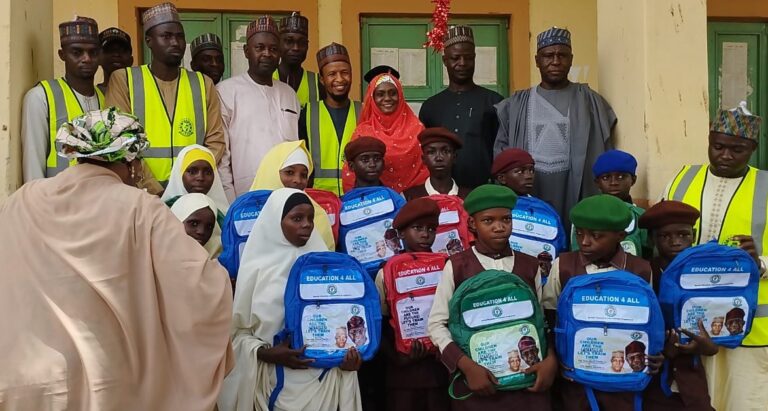
Beyond digital inclusion, Dr. Wunti has invested significantly in youth development through mentorship programmes, leadership training, educational support, scholarships, civic engagement initiatives and skills acquisition programmes aimed at preparing the next generation of leaders and entrepreneurs.
His commitment to women empowerment has equally earned widespread commendation. Through humanitarian support, food distribution, entrepreneurship initiatives, innovation grants and economic empowerment programmes, widows, divorcees, internally displaced women and other vulnerable groups have received assistance designed not merely to alleviate hardship but to promote long-term economic independence and social inclusion.
In promoting environmentally sustainable communities, Dr. Wunti has also undertaken major erosion control projects within Bauchi metropolis, including the construction of massive reinforced concrete drainage systems at Unguwar Bayan Driving School and the Gwallaga Street corridor behind the Central Bank of Nigeria. These interventions have protected homes, roads, businesses and public infrastructure from years of devastating erosion while restoring safety and improving environmental resilience for thousands of residents.
His humanitarian outreach has similarly touched countless vulnerable households through Ramadan food distribution programmes, financial assistance, relief support for displaced communities, educational interventions and various community development projects that continue to complement government efforts across Bauchi State.
These sustained interventions have earned Dr. Wunti widespread admiration from many residents, who affectionately describe him as the “Fourth Tier of Government” because of the breadth, consistency and direct impact of his people-centred development initiatives.
According to Wunti, true leadership is measured not by political rhetoric but by practical investments that improve lives and expand opportunities for ordinary citizens.
“As we celebrate World Rural Development Day, we must remind ourselves that no nation can achieve sustainable prosperity while neglecting its rural communities. Rural development is not a social welfare programme; it is an economic strategy. Every investment in agriculture, education, environmental protection, healthcare, digital connectivity, women empowerment and youth development is an investment in national stability, food security and inclusive economic growth.”
Dr. Wunti further urged political leaders to embrace long-term development planning that prioritises people over politics, institutions over personalities and sustainable investments over short-term projects.
He reaffirmed his commitment to supporting initiatives that promote inclusive development, environmental sustainability, digital transformation, human capital development and community resilience, expressing confidence that with visionary leadership and sustained investments, Nigeria’s rural communities can become centres of innovation, productivity and shared prosperity for generations to come.
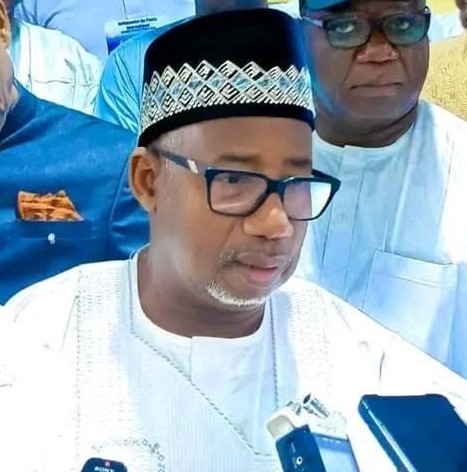
Bala Maijama’a Wunti